Welcome!Thank you for visiting! We look forward to seeing you.Welcome!Email is used by othersPlease enter user emailpassword reset link is sent to your email , the link will be expired in 30 mins
🏰 The 2019 vintage for red 布根地(Burgundy) is widely regarded as excellent, with some critics even calling it a "truly great year" and "one of the most compelling red Burgundy vintages of the millennium." Despite warm growing conditions, the wines managed to retain remarkable freshness and balance, combining seductive depth of fruit with classical acidity.
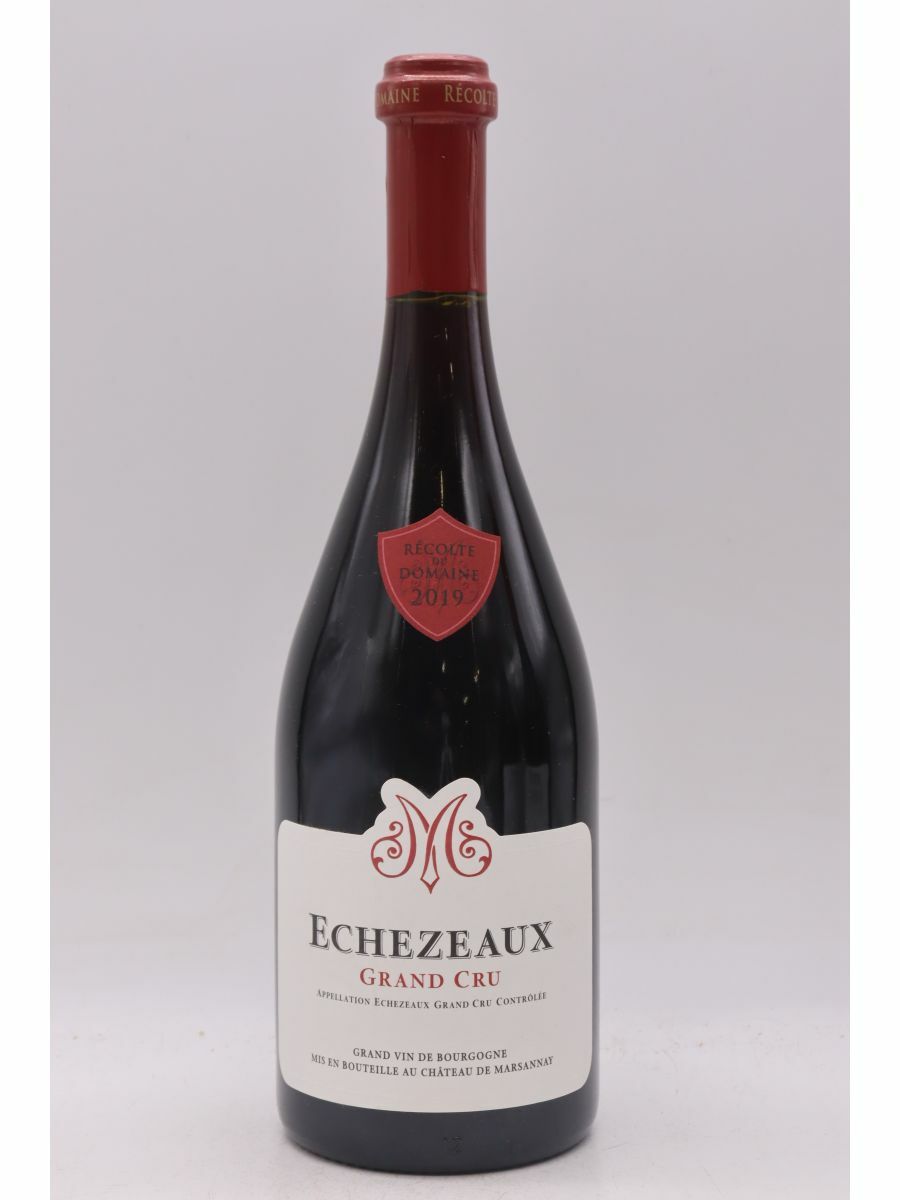
This Echézeaux Grand Cru displays a deep red to purple colour. The nose is expressive and delicate, dominated by aromas of blackcurrant, clove, mocha, cherries, plums, and floral notes of violet with a spicy touch. On the palate, it is ample and round, offering beautiful freshness, liquorice, mocha, and almond notes. It boasts a perfect balance between power and roundness, with a long, nuanced, and persistent finish. 【 2019 is hailed as one of the most compelling red Burgundy vintages of the millennium, offering exceptional balance and aging potential. 】
🍴 This refined red 布根地(Burgundy) wine is an ideal partner for roasted game, classic beef bourguignon, coq au vin, rich mushroom dishes, and a selection of aged cheeses. Its elegance and depth will elevate these culinary experiences.
🥂 With significant ageing potential, this Echézeaux Grand Cru can be cellared for 15-20 years, or even two decades or more, promising further evolution and complexity. For optimal enjoyment, it should be opened several hours before drinking to allow its intricate aromas and flavours to fully unfold. It's perfect for a grand dinner or a special occasion amongst connoisseurs.
BACKGROUND
Château de Marsannay, located in the Marsannay appellation of Burgundy, France, is the largest and most renowned estate in the region. In addition to the typical Burgundian varieties of Pinot Noir and Chardonnay, the vineyards also feature distinctive Pinot Blanc and Pinot Gris grapes. The estate's history dates back to before the 16th century. The original structure was destroyed by Swiss troops during the reign of King Louis XII of France, and the current château was rebuilt on the same site.