Welcome!Thank you for visiting! We look forward to seeing you.Welcome!Email is used by othersPlease enter user emailpassword reset link is sent to your email , the link will be expired in 30 mins
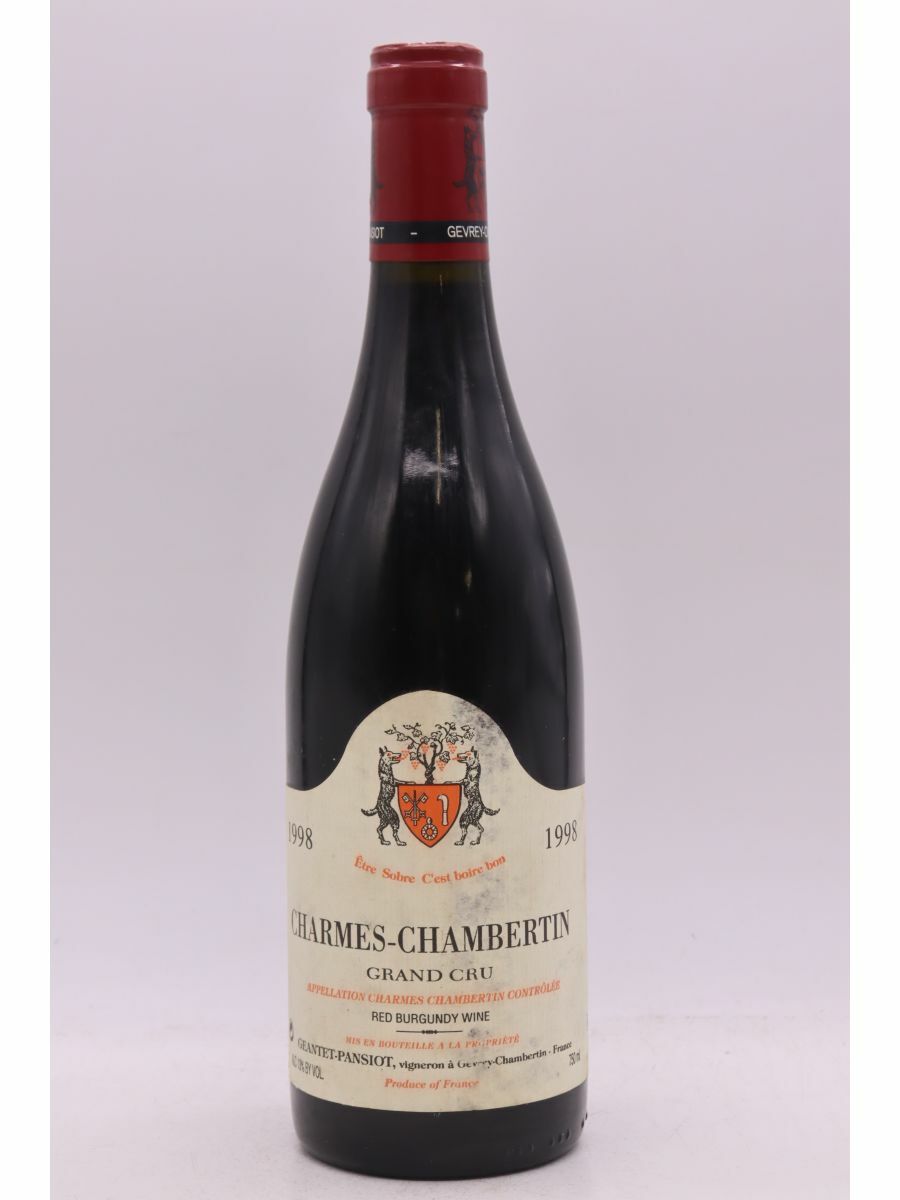
Geantet Pansiot, Charmes Chambertin Grand Cru, 1998
🏰 The 1998 vintage in Burgundy was a challenging yet rewarding year, producing wines of a more classic, lighter style. This Geantet Pansiot Charmes Chambertin Grand Cru from 1998 is a testament to the producer's skill, offering an elegant expression of a mature red 布根地. Expect a beautiful evolution of aromas, moving from vibrant red fruits to more nuanced earthy undertones, perhaps with hints of forest floor or dried leaves, showcasing the complexity that comes with age. The palate should be refined, with soft tannins and a lingering finish. While not as powerful as some vintages, its charm lies in its finesse and aromatic depth. 【 A mature Grand Cru offering a classic expression of a challenging Burgundy vintage 】.
🍴 This elegant red Burgundy pairs wonderfully with classic French cuisine. Think roasted duck breast with cherry sauce, coq au vin, or a rich mushroom risotto. For a simpler pairing, aged Comté or Gruyère cheese would be delightful.
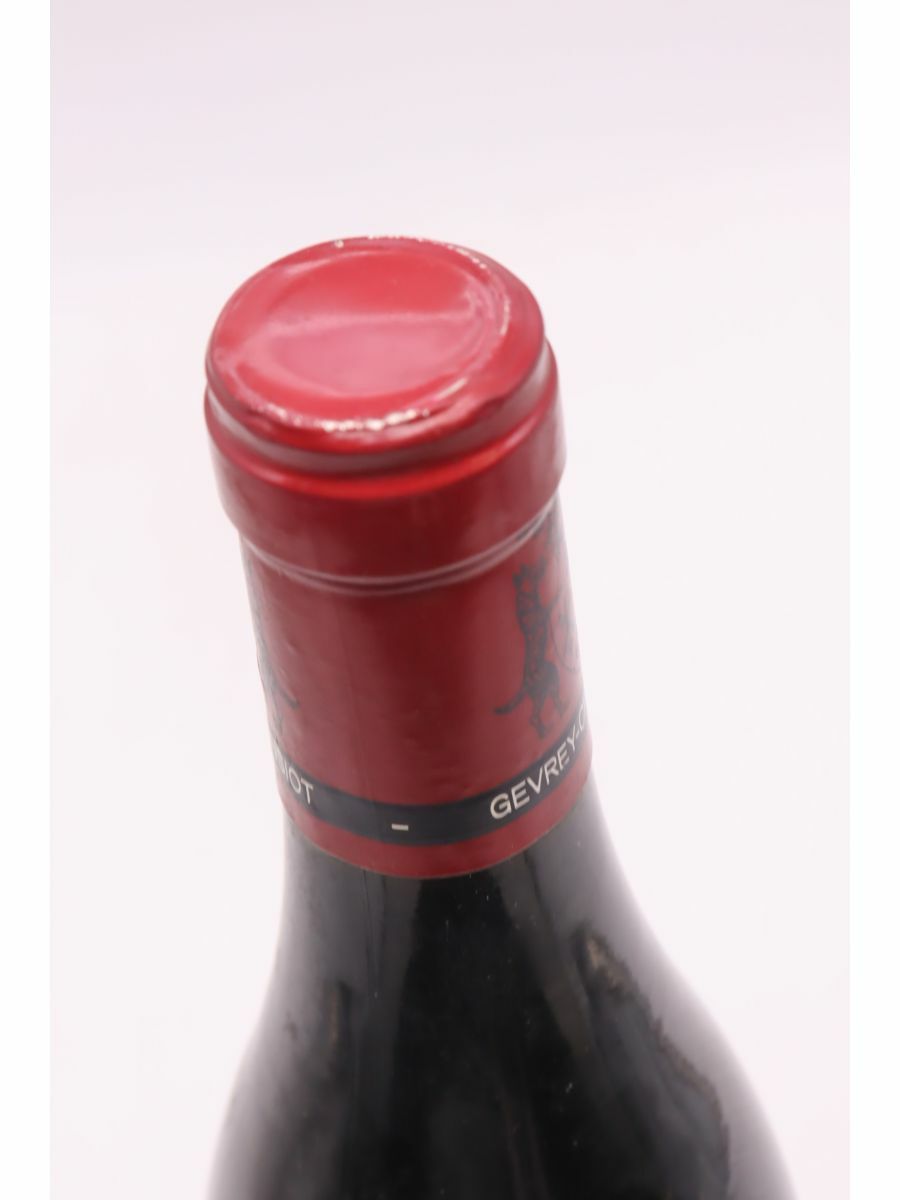
🥂 Perfect for a contemplative dinner among connoisseurs, a special anniversary, or a gathering where a nuanced, aged red wine is truly appreciated. Serve this wine with care; older vintages can have fragile corks and capsules. Decanting for 30-60 minutes can help it open up, but be gentle to preserve its delicate aromatics. Ensure it's served at a cool cellar temperature, around 16-18°C (60-64°F).
BACKGROUND
Geantet-Pansiot is a wine producer located in the Côte de Nuits region of Burgundy. It is famous for its Pinot Noir wines from Gevrey-Chambertin and Chambolle-Musigny, and also produces a variety of Burgundy AOC wines. The estate was founded in 1954 when newlyweds Edmond Geantet and Bernadette Pansiot purchased a three-hectare (seven-acre) vineyard on the edge of Gevrey-Chambertin. Today, the vineyards total 13 hectares (32 acres), mainly through agricultural contracts.