Welcome!Thank you for visiting! We look forward to seeing you.Welcome!Email is used by othersPlease enter user emailpassword reset link is sent to your email , the link will be expired in 30 mins
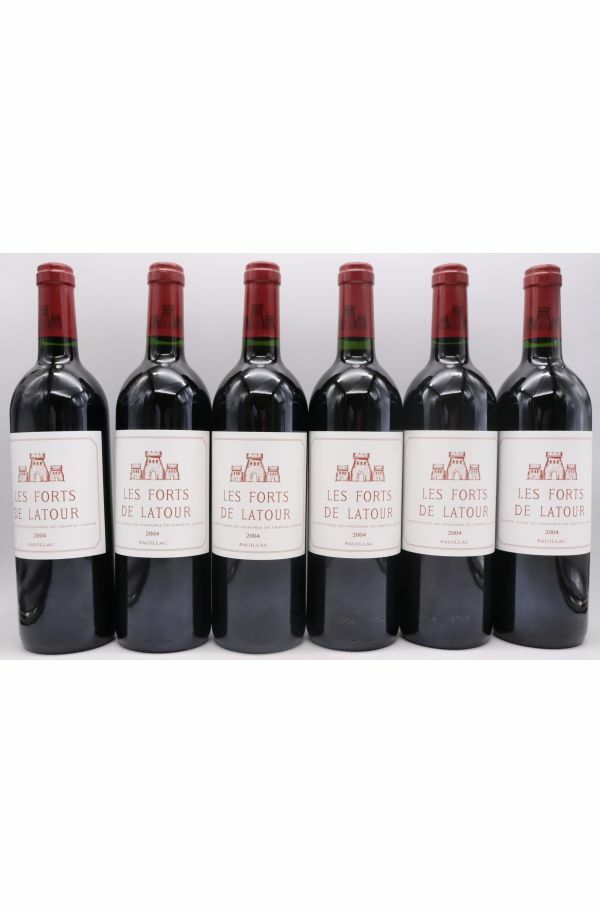
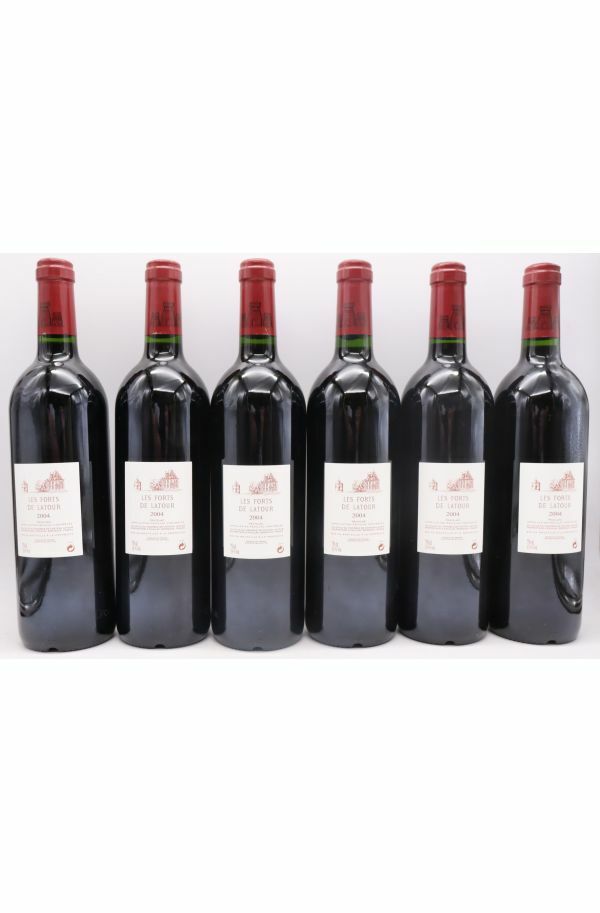
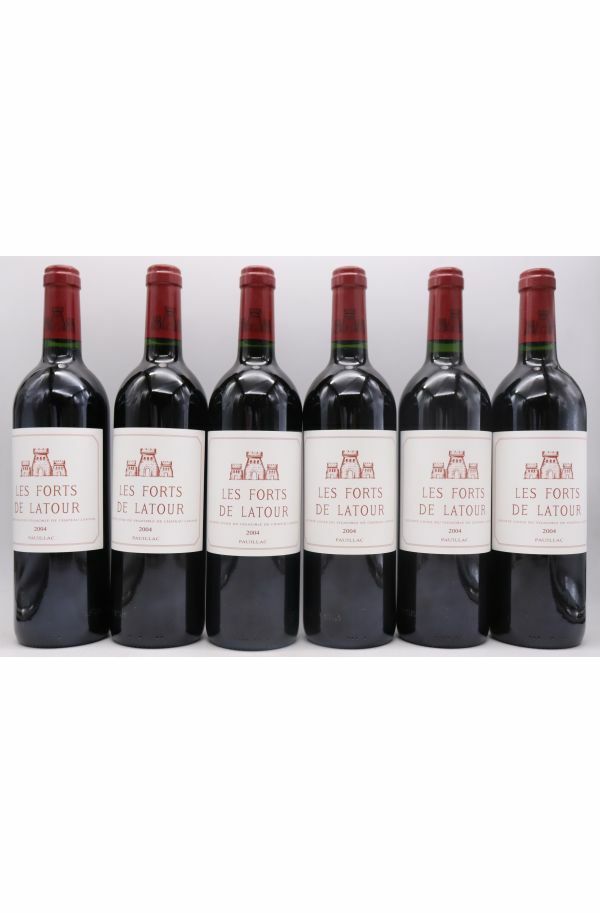
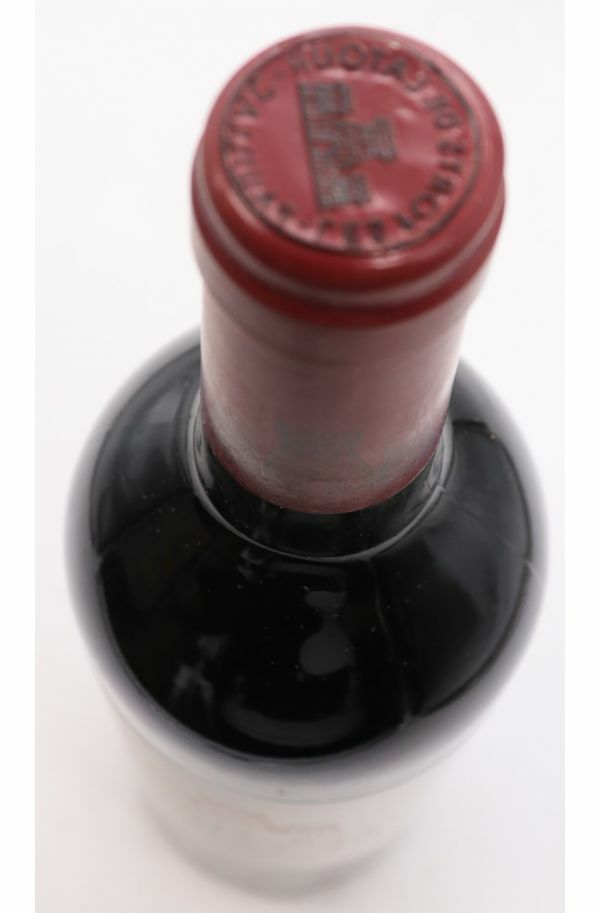
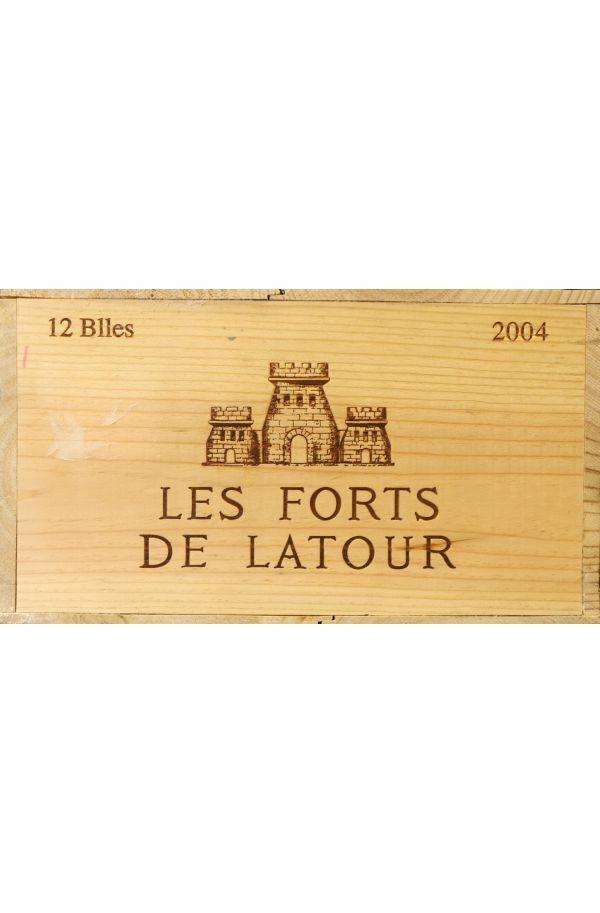
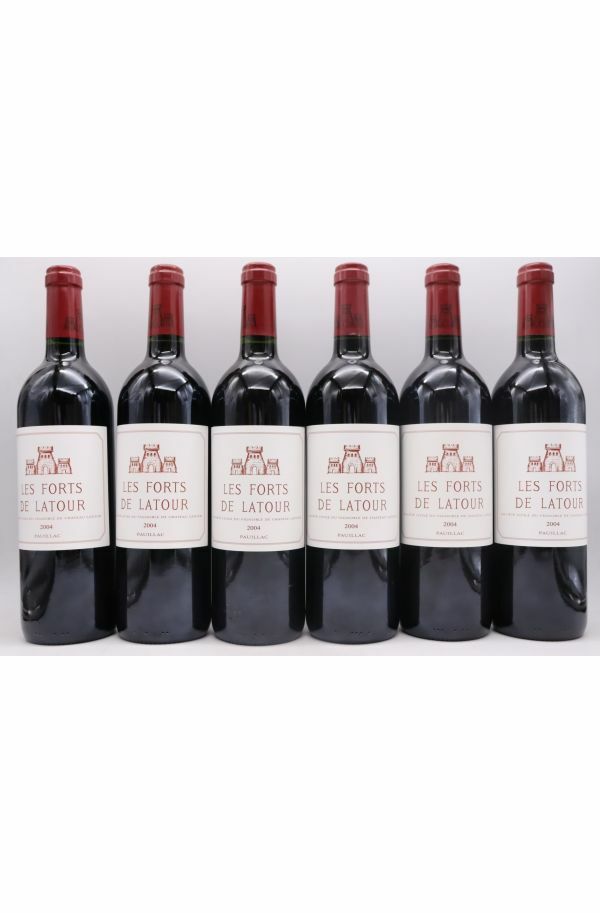
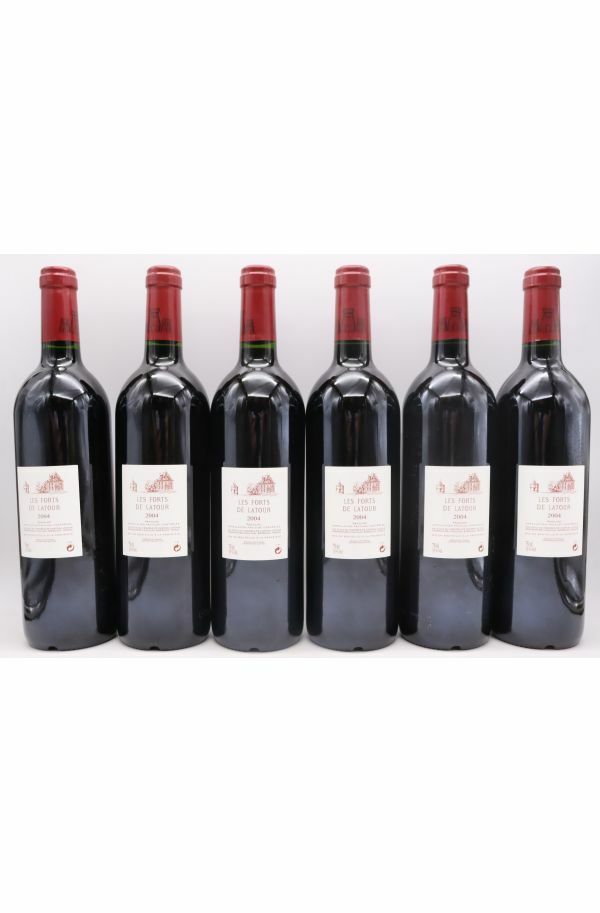
🏰 The 2004 Les Forts de Latour, the esteemed second wine of Château Latour, is a testament to skillful winemaking in a challenging vintage. This blend of 74% Cabernet Sauvignon and 26% Merlot represents 41% of the estate's production. It reveals a deep ruby/purple hue with classic evolved cedary, lead pencil, and cassis characteristics. On the nose, expect aromas of blueberry, plum, leather, tobacco, and mocha. The palate is sweet, plummy, and pliant, with a creamy, fine-grained texture, offering beautiful sweetness of fruit and a more forward, evolved character. Robert Parker rated it 90-94 points, noting its good density and fine length. It's often considered on par with many classed growths. 【 A second wine on par with many classed growths 】.
🍴 This elegant red Bordeaux is a superb match for classic French cuisine. Pair it with roasted duck breast, beef tenderloin with a red wine reduction, or a rich mushroom pâté. For an Asian pairing, consider a Cantonese-style roasted goose or a delicate braised beef dish.
🥂 Ideal for a sophisticated dinner party, a special family gathering, or as a thoughtful gift for a Bordeaux enthusiast. It's drinking well now and is expected to continue to evolve beautifully over the next 15+ years.
BACKGROUND
Chateau Latour is one of Bordeaux's wines and the world's most famous wine producers. It is situated in the southeast corner of the Pauillac commune on the border of Saint- Julien, in the Medoc region. Typically for the region, Cabernet Sauvignon dominates in the vineyard, accounting for around 80 percent of plantings. Merlot makes up most of the remainder, and there are also small amounts of Cabernet Franc and Petit Verdot. The grand vin is only made from the vineyard plots surrounding the chateau and shown on the 1759 plan of the domaine. Latour makes two other wines: Les Forts de Latour and Pauillac de Latour, both of which are made from younger vines.