Welcome!Thank you for visiting! We look forward to seeing you.Welcome!Email is used by othersPlease enter user emailpassword reset link is sent to your email , the link will be expired in 30 mins
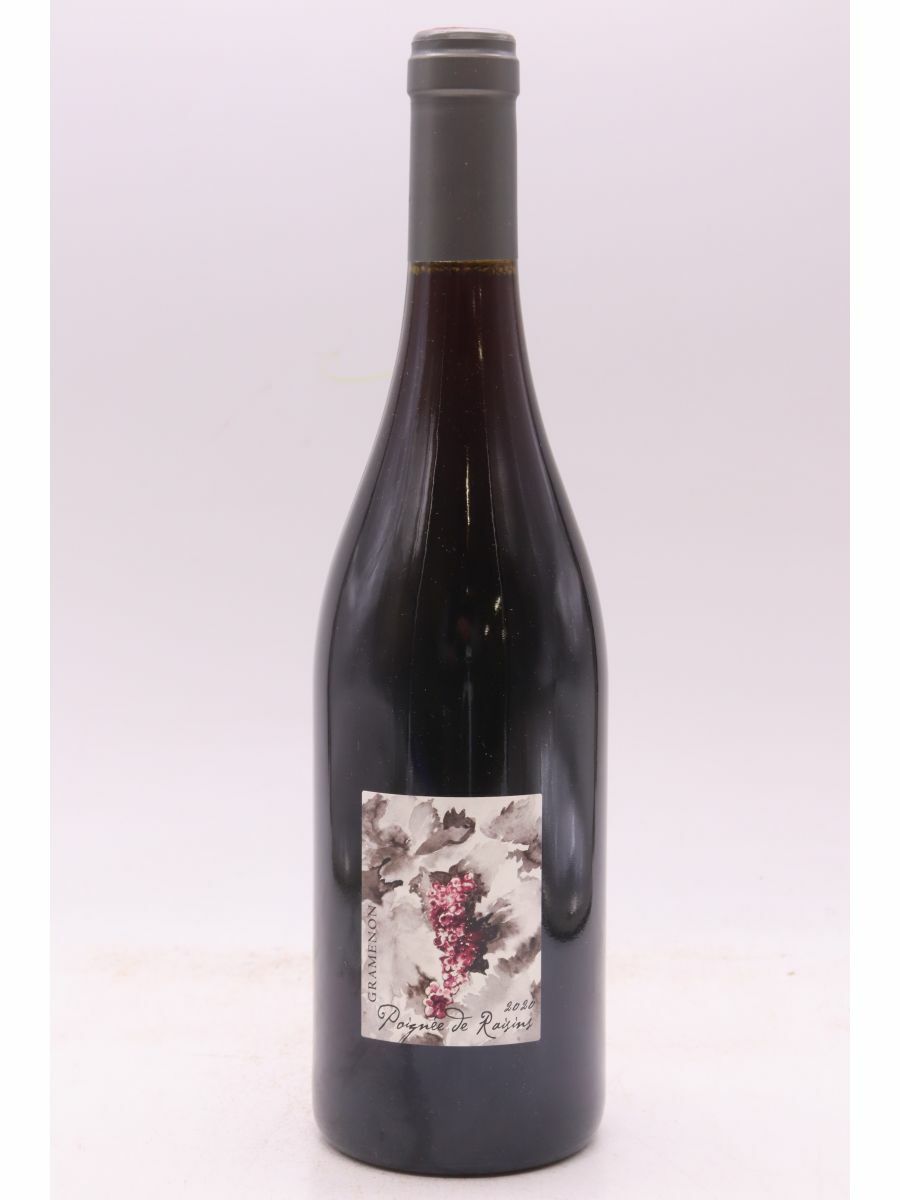
🏰 Domaine Gramenon is a highly respected producer in the Southern Rhône, known for its biodynamic practices and crafting wines of purity and vibrancy. The 'Poignée de Raisins' (Handful of Grapes) is a popular cuvée, typically a Grenache-dominant red wine that embodies the fresh, fruit-forward style of the estate. While specific reports for the 2022 vintage are still emerging, the Southern Rhône generally experienced a warm and dry growing season, which often leads to ripe and concentrated fruit, balanced by good acidity if managed well. Expect a bright ruby-purple color. On the nose, this wine is likely to burst with aromas of fresh red berries like cherry and raspberry, along with floral notes, a hint of garrigue, and a touch of white pepper. The palate should be lively and juicy, with soft tannins and a refreshing acidity that makes it incredibly approachable and enjoyable in its youth. It's known for its drinkability and authentic expression of Grenache. 【Gramenon's Poignée de Raisins is celebrated for its vibrant fruit, biodynamic purity, and exceptional drinkability, offering a joyful expression of Southern Rhône Grenache】.
🍴 This fresh and fruity Côtes du Rhône is incredibly versatile with food. It pairs wonderfully with casual fare such as grilled sausages, charcuterie, Mediterranean vegetable tarts, or even a classic margherita pizza. For something more substantial, try it with roasted chicken or light pasta dishes.
🥂 This wine is perfect for everyday enjoyment, casual gatherings with friends, picnics, or a relaxed weeknight dinner. Its approachable style and vibrant fruit make it a crowd-pleaser that doesn't require extensive aging.
BACKGROUND
Domaine Gramenon Winery was founded in 1978 and is located in MOTBRISON-SUR-LEZ, Provence, Drôme. It is located at the first foothills of the Alps, at an altitude of 350 m. Located at the northernmost point of the southern Rhône Valley, it is built on siliceous and shell sandstone mixed with silt or clay that settled during the lull between floods and ebb tide activity, this molasses forming a massive subsoil.