FEATURES
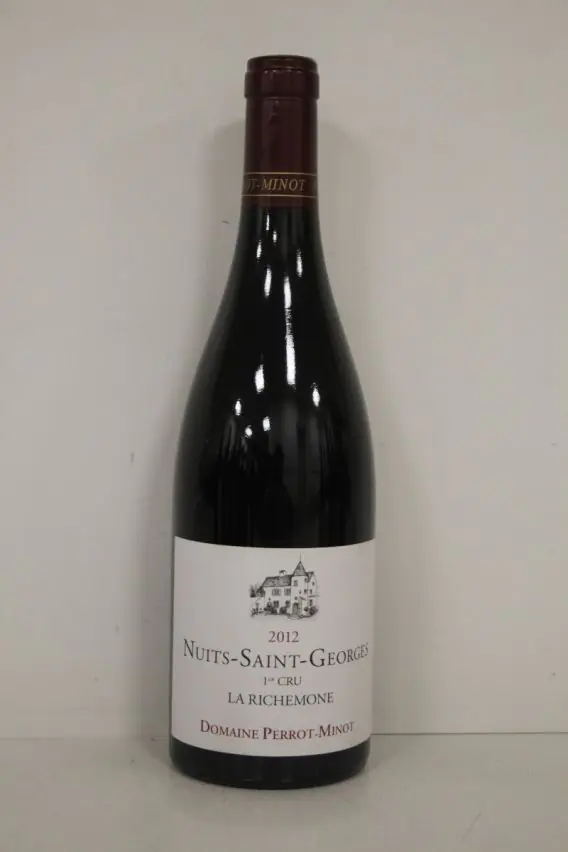
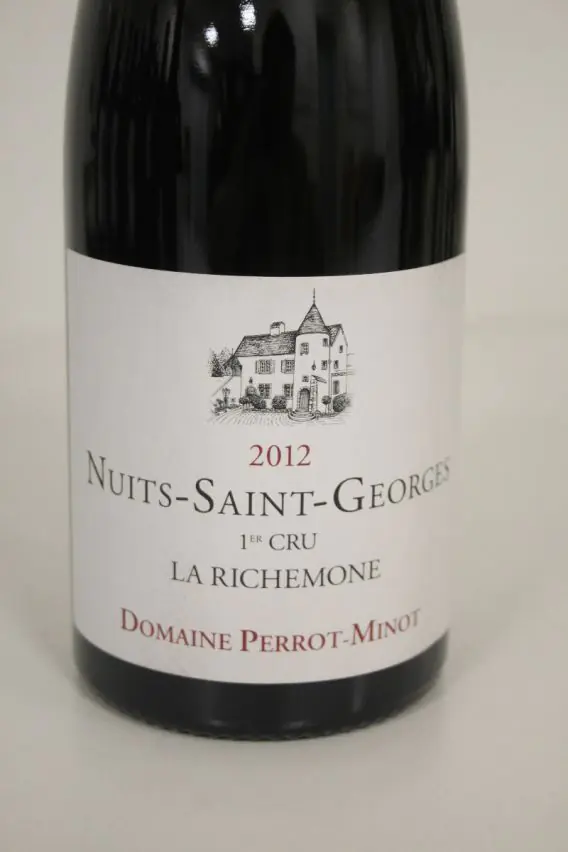
🏰 The 2012 vintage in Burgundy, particularly for the Côte de Nuits, produced some promising red wines despite a challenging growing season with tiny yields. The scarcity of the vintage makes these wines even more precious. Perrot Minot's Nuits-Saint-Georges La Richemone 1er Cru 2012 offers a cool, restrained, and wonderfully elegant nose with wafting aromas of red currant, plum, dark currant, spice, and essence of violet. The palate is super-sleek and seductively textured, with middle-weight flavors brimming with minerality and sappy dry extract, buffering dense yet ultra-fine grain tannins. The finish is equally persistent and youthfully austere, described as 'marvelous'. Expect a mix of black cherry, sandalwood, violet, and sweet spice, creating a perfumed and silky red with terrific harmony and an underlying mineral note on a super long finish. 【Marvelous elegance and intensity with significant aging potential】.
🍴 This Nuits-Saint-Georges 1er Cru is an excellent match for robust dishes such as roasted leg of mutton, rib of beef, duck breast, and game. It also pairs well with braised beef in sauce, sirloin steak, and mature cheeses like Époisses.
🥂 Ideal for fine dining, a special occasion, or a vertical tasting of fine Burgundy to explore its evolving complexities.
BACKGROUND
Domaine Perrot Minot is headquartered in Morey-Saint-Denis in the Côte de Nuits region, north of Burgundy's Côte d'Or. Red wine is mainly made from Pinot Noir. The history of the winery can be traced back to the "Domaine Merme-Morizot" at the end of the 19th century. In 1993, it was taken over by Christophe Perrot-Minot, who acquired Domaine Pernin-Rossin and its assets in 2000. In 1999, the domaine also began a négociant business, producing wine from fruit from its partner vineyards, including several Grand Cru vineyards in Gevrey-Chambertin. The winery produces wine from seven Grand Cru vineyards, the most famous of which is Chambertin, as well as a series of First Growth vineyards. Yields are strictly limited and green harvesting is done in specific plots, so some vines can only produce five bunches of grapes.