FEATURES
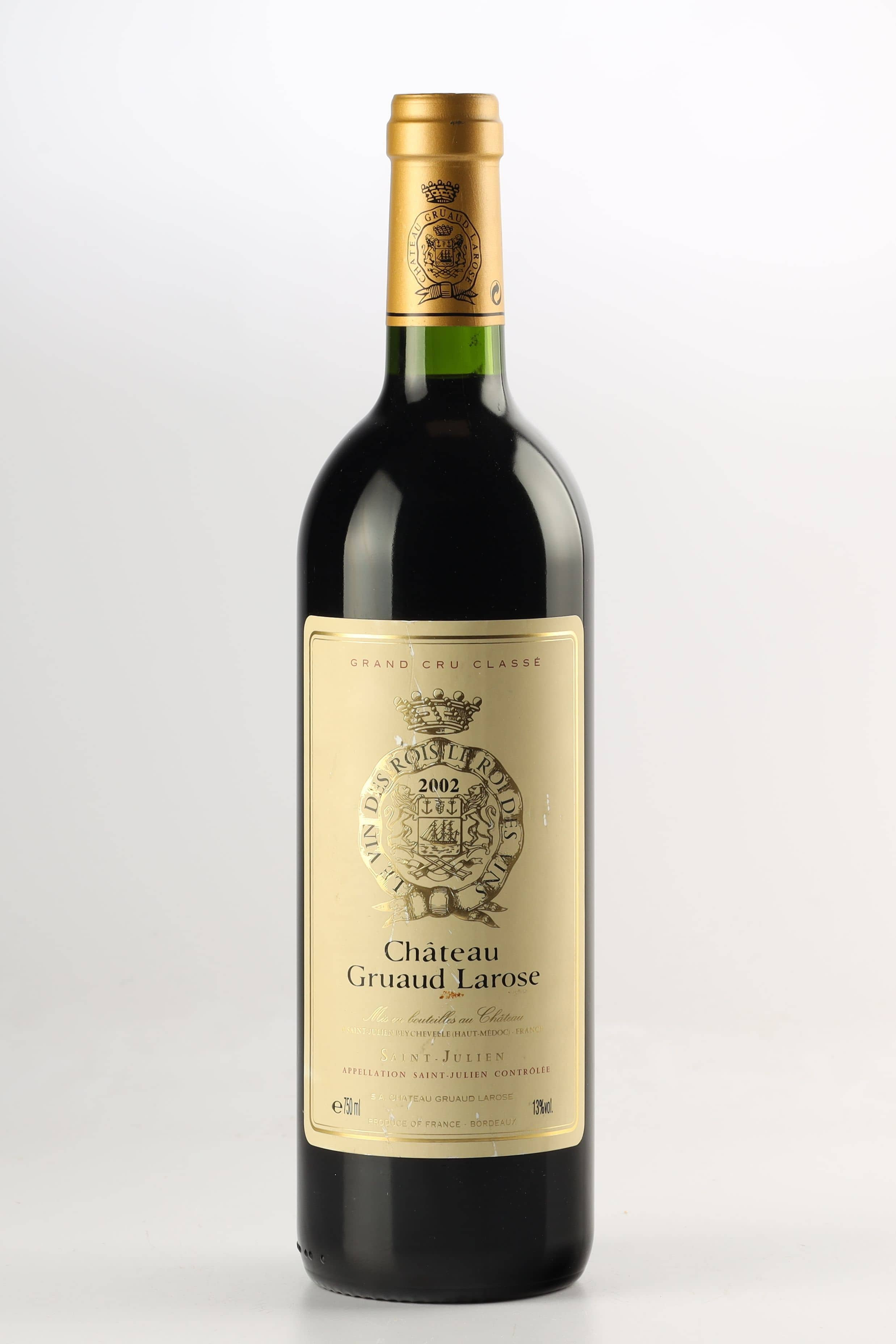
🏰 The 2002 Chateau Gruaud Larose, often overshadowed by its blockbuster neighbors, has emerged as a hidden gem, a testament to balance and elegance from a challenging vintage. This year demanded exceptional skill in the vineyard and cellar due to intermittent weather patterns, resulting in a wine that showcases artistry and poise. Many consider this a vintage that has exceeded expectations, drinking remarkably well now.
Initial notes of rich cassis and redcurrant gracefully mellow into an earthy truffle undertone, intertwined with hints of graphite and tobacco leaf. This Saint-Julien offers classic elegance, with mature notes of blackcurrant, cedar, and leather wrapped in a savory, earthy frame. The palate reveals a poised minerality and a medium-bodied elegance, where tannins speak more of silk than muscle, providing a supple yet structurally sound constitution. Aromas of sweet plums and tobacco lead to a medium-to-full-bodied palate with chewy tannins that have softened beautifully over time, culminating in a harmonious, lingering finish. Some tasters also find notes of barnyard, sous bois, forest floor, vegetal greenness, new leather, black tea, and black olive, which blow off after a couple of hours. 【 A hidden gem from a challenging vintage, showcasing finesse and elegance 】
🍴 This elegant Bordeaux red pairs wonderfully with classic beef dishes, pork, and even complements Asian cuisine.
🥂 This wine is drinking very well now and is expected to continue to evolve gracefully for at least another five years. It's an excellent choice for those who appreciate the finesse and mature complexity of a well-aged Bordeaux, perfect for a sophisticated dinner or a quiet evening of contemplation.
🏆St. Julien Second Growths
BACKGROUND
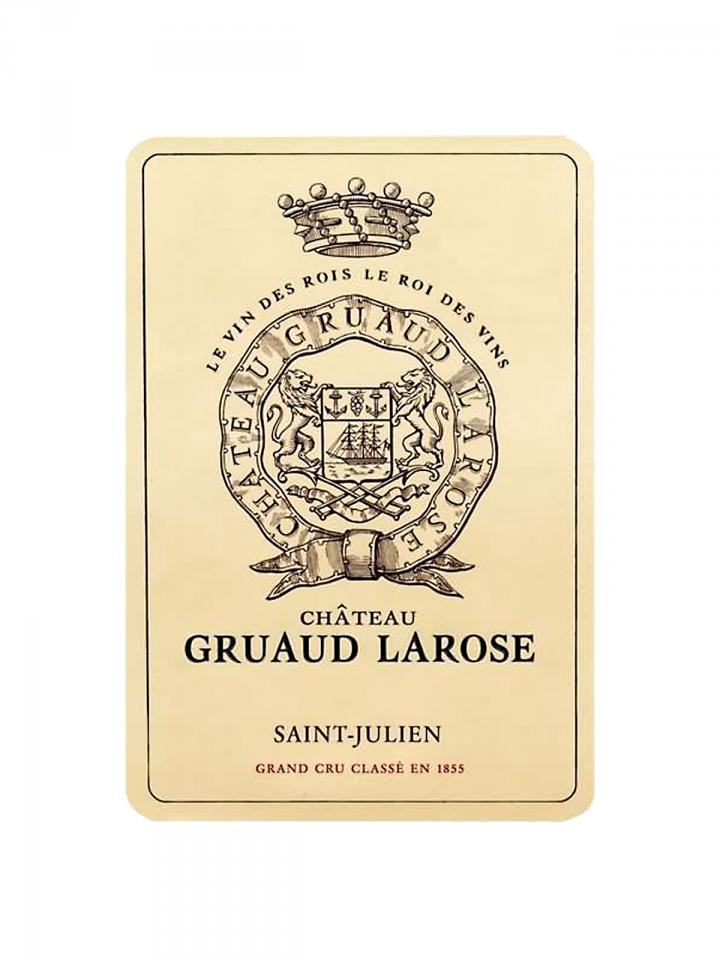
Chateau Gruaud Larose is a wine estate in the Saint-Julien appellation of the Medoc, ranked as a second growth in the 1855 Bordeaux Classification.It is widely regarded as a classic Saint-Julien wine, and is known for its sensible pricing. The vineyard is situated southwest of the village of Beychevelle, on gravel banks sloping towards le Marais de Beychevelle, a marsh that separates Saint-Julien from the vineyards of the central Medoc. The soil is a mix of gravel, pebbles, sand, clay and humus over a subsoil of different clays, sand and pebbles. A total of 82 hectares (203 acres) are planted â 60 percent of vines are Cabernet Sauvignon, with 30 percent Merlot, 7 percent Cabernet Franc and 3 percent Petit Verdot. The proportion of Cabernet Sauvignon has risen in recent decades and there are plans to increase this to around 70 percent over coming years. In the winery, grapes are fermented in large wooden vats before aging in barrel for 18 months.