FEATURES
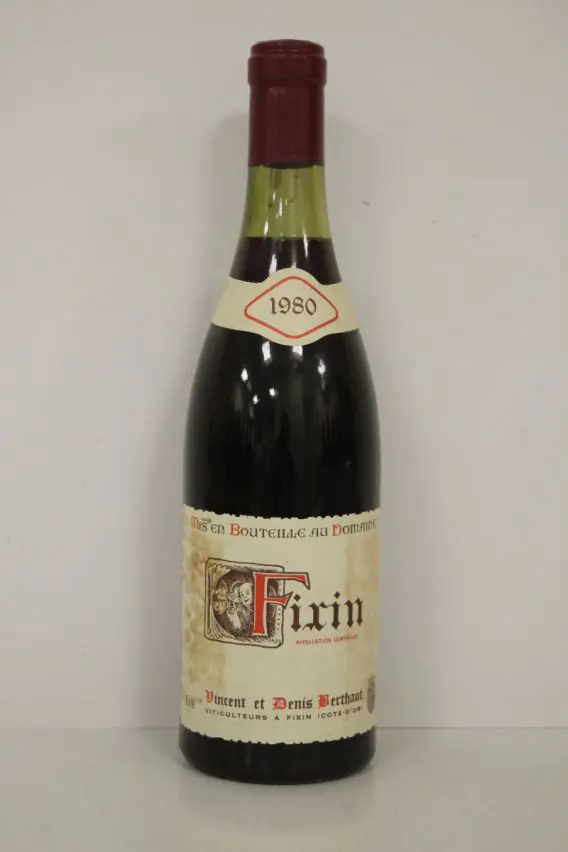
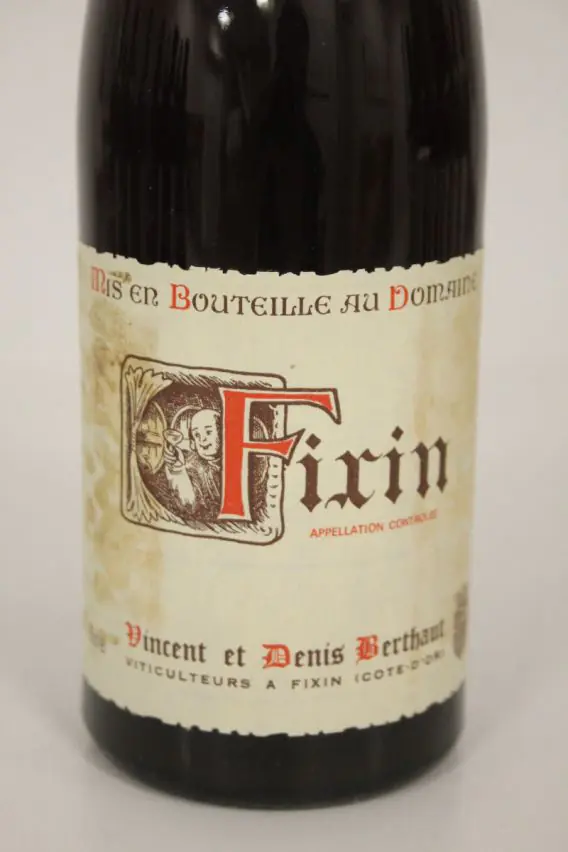
🏰 The 1980 vintage for Burgundy was generally considered average, marked by uneven growing conditions including a damp spring and cool summer, with rain falling at harvest. However, the Côte de Nuits, where Fixin is located, produced the best wines. Initially dismissed, Robert Parker later described 1980 as "one of the most underrated and pleasing red wine vintages…of the decade," with Clive Coates agreeing that the finest Côte de Nuits wines were "outstanding." While wines were generally on the lighter side, some very fine reds were produced, and the best 1980 red Burgundies are considered profound wines drinking at their apogee today. Berthaut-Gerbet's Fixin Rouge 1980, from a well-regarded producer, would offer very mature, delicate aromas of dried leaves, forest floor, mushroom, and faded red fruit. The palate would likely be light-bodied, with very soft, integrated tannins and high acidity, focusing on tertiary complexity rather than primary fruit. 【A rare, ethereal glimpse into a bygone era of Burgundy winemaking】.
🍴 This extremely aged Burgundy calls for delicate dishes that won't overpower its subtle nuances. Consider pairings like mushroom pâté, roasted squab, light game birds, or mild, earthy cheeses. The goal is to complement, not compete with, its ethereal character.
🥂 This is a wine for a very special, intimate gathering of true wine connoisseurs who appreciate the historical significance and delicate complexities of extremely aged wines. It's a journey into the past, best shared with those who understand its rarity and fragility.
Serving Advice: This 1980 Fixin Rouge is a rare survivor and should be treated with the utmost respect and care. Stand the bottle upright for at least a week to allow all sediment to consolidate. Use an Ah-So opener or a Durand, as the cork will be extremely fragile. Decanting is generally not recommended for wines this old, as they can fade quickly upon exposure to air. Instead, gently pour directly into glasses, leaving any sediment behind. Serve slightly cooler than typical red Burgundy, around 15-16°C (59-61°F), to preserve its delicate aromas. Be prepared for a wine that is likely fragile and ethereal, offering a glimpse into a bygone era rather than vibrant fruit. The experience is more about history and rarity.