FEATURES
🏰 The 2007 Franz Hirtzberger Singerriedel Riesling Smaragd hails from the prestigious Wachau region of Austria, renowned for its powerful and age-worthy dry Rieslings. The Singerriedel vineyard is a steep, terraced site with Gföhler Gneiss soils, known for producing wines of immense concentration and minerality. The Smaragd designation indicates the highest ripeness level, resulting in a full-bodied, complex wine. The 2007 vintage in Wachau was generally considered very good, offering ripe fruit and good acidity, setting the stage for wines with excellent aging potential. 【 A benchmark Wachau Smaragd Riesling from a legendary vineyard, known for its profound minerality and aging prowess. 】
Tasting Notes: While specific notes for the 2007 vintage are less common now, Hirtzberger's Singerriedel Riesling Smaragd typically showcases a captivating bouquet of ripe stone fruits like apricot and peach, intertwined with pronounced mineral notes of wet stone and slate. As it ages, tertiary aromas of honey, petrol, and toasted nuts emerge. The palate is usually rich and concentrated, with a vibrant acidity that provides freshness and a long, complex finish.
🍴 This powerful and aromatic Riesling is incredibly versatile with food. It would be exceptional with rich seafood dishes such as pan-seared scallops with a beurre blanc sauce, grilled lobster, or smoked salmon. It also pairs beautifully with roasted poultry, especially duck or goose, and Asian cuisine with a touch of spice, like Thai green curry or Vietnamese spring rolls. For a more traditional Austrian pairing, consider Wiener Schnitzel or a hearty pork roast.
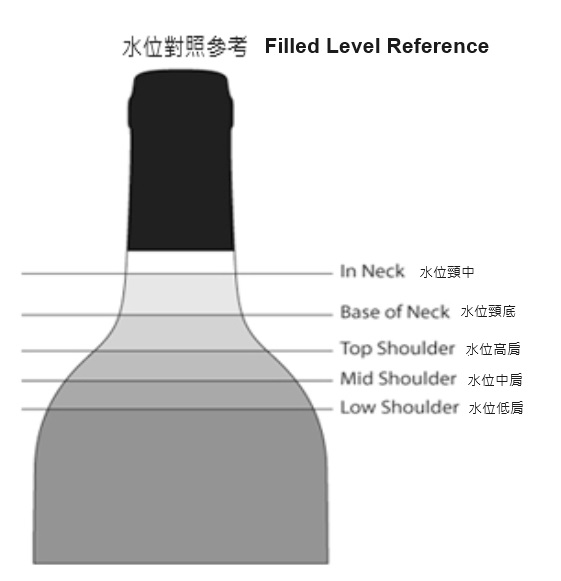
🥂 The 2007 Franz Hirtzberger Singerriedel Riesling Smaragd is perfect for a celebratory dinner, a special anniversary, or a sophisticated tasting event focused on aged Rieslings. Its complexity and ability to evolve make it a fascinating wine to share with connoisseurs. This wine is still showing beautifully, but remember that older vintages can be delicate. The cork and capsule may be fragile, so open with care. Decanting for 30-60 minutes can help it open up and shed any harmless sediment, but be mindful not to over-aerate. Serve slightly chilled, around 10-12°C, to allow its intricate aromas to unfold.
 Last One