FEATURES
🏰 The 1963 vintage was a monumental year for Port, universally declared by all major Port houses and now serving as a benchmark against which many others are judged. It's a landmark vintage, celebrated for its perfect harmony of fruit, tannin, and structure. The growing season featured a cold winter followed by a wet spring, with a generally cool summer punctuated by two hot periods in July and August. The harvest began on October 7th under ideal conditions of hot days and cool nights, resulting in high fruit quality and yields.
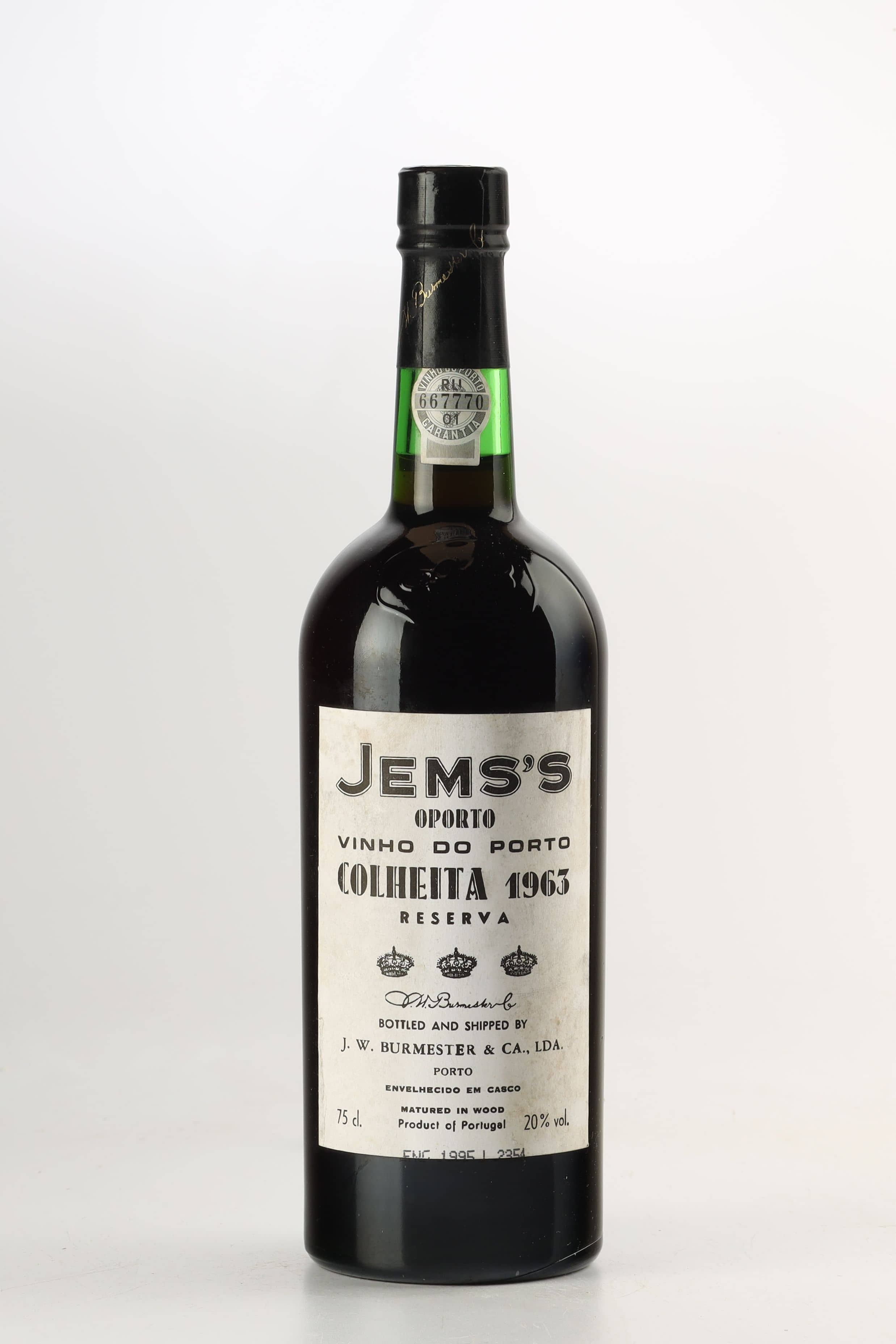
Burmester's Port Jem's 1963, from this exceptional vintage, typically exhibits a deep, intense, and almost Burgundian richness. While initially the spirit might be quite pronounced, it gracefully evolves to reveal notes of dark chocolate, herbal nuances, gum cistus, licorice, cigar box, and distinct leathery qualities. It offers a voluptuous, silky texture with wonderfully complex layers that continue to evolve. Now perfectly mature, its tannins have softened, presenting a lush texture with rich fig and chocolate flavors, often concluding with a touch of almond on a long finish. Expect deep and concentrated raspberry and cherry character, with a hint of spice, full-bodied and very sweet, with layers of fruit. Remarkably, 1963 Ports often appear younger than their actual age.
【A monumental and universally recognized vintage, considered one of the greatest Port years, known for its incredible longevity and complex evolution.】
🥂 This is an exceptional wine for a milestone anniversary, a significant birthday, or a contemplative evening by the fire. It's a wine to be savored slowly. As a very old Vintage Port, expect significant sediment, so decanting is essential. Use Port tongs or a sturdy corkscrew, as the cork can be fragile. Decant several hours before serving, or even the day before, to allow the wine to breathe and the sediment to settle. Serve slightly below room temperature, around 16-18°C.
🍴 Classic pairings include Stilton cheese, rich dark chocolate desserts, nuts, or simply enjoyed on its own as a digestif.
 Last One