FEATURES
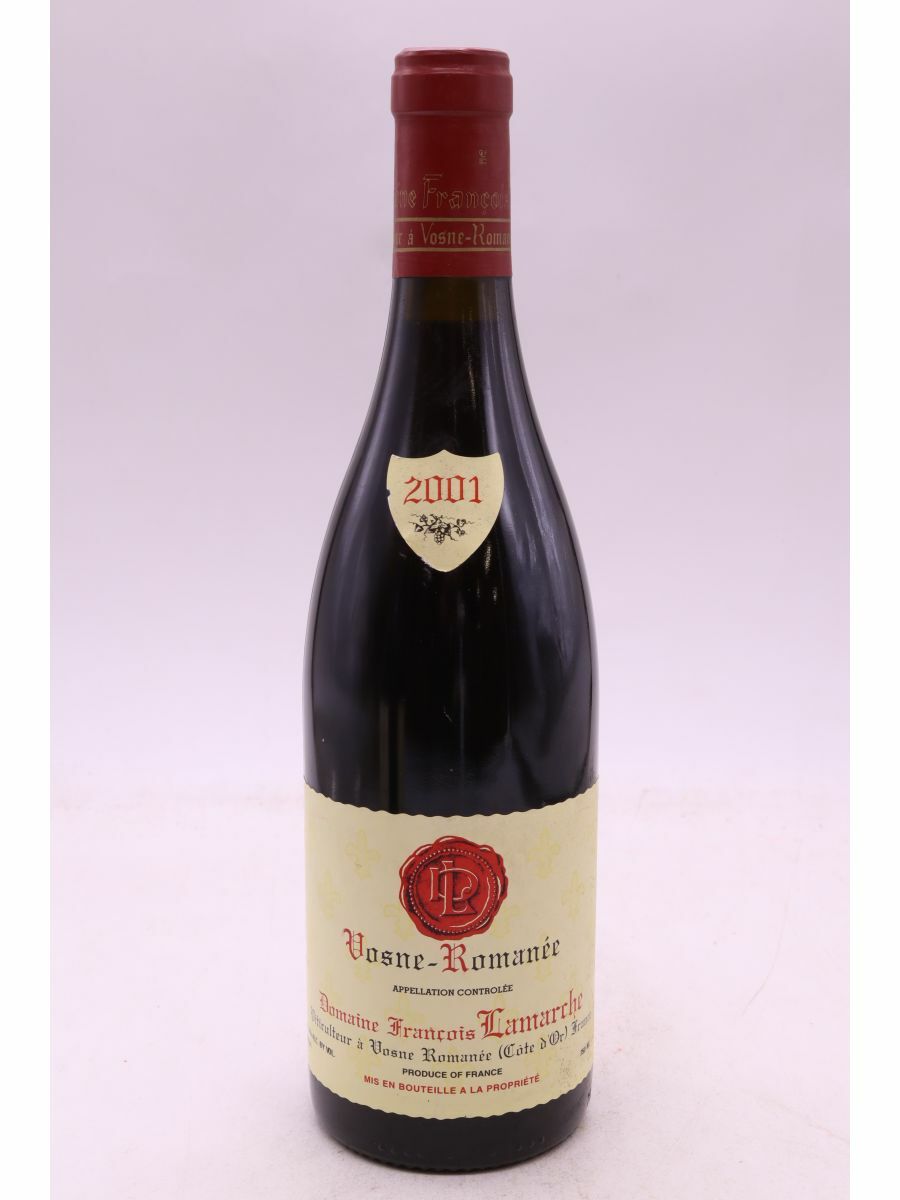
🏰 The 2001 François Lamarche Vosne-Romanée comes from a classic rather than rich vintage in 布根地 (Burgundy), characterized by a cooler year with healthy acidity and fine tannins, producing wines built more on balance than power. After more than twenty years in bottle, this wine is now fully mature. Domaine François Lamarche, a historic estate in Vosne-Romanée, has roots dating back to 1797, with the family's presence in the village extending to 1740.
This red wine, particularly the Vosne-Romanée village, often shows a relatively young, medium-intensity color. The nose can be a wild and interesting mélange of baked and fresh fruits. On the palate, it is fresh, with understated velvet tannins and good acidity, often building width and dimension in the glass. Expect savory finishing flavors and some oak influence. Tasting notes also describe a ruby color with some age, cherry and cinnamon notes evolving to rhubarb, then cherry and earth, well-balanced with good acidity. Some expressions, like the 1er Cru Les Malconsorts, can show pronounced oak influence with intense, big, robust, very complex and spicy flavors, leading to a very long, mouth-coatingly rich finish with grand cru complexity. Others highlight ample wood spice, highly perfumed and elegant black fruit and earth aromas, rich, full, and racy medium-plus weight flavors, underpinned by dusty, refined, and sophisticated tannins, all wrapped in a sappy, pure, intense, and beautifully long, explosive finish. 【 This classic Burgundy vintage from a historic Vosne-Romanée domaine offers balance, elegance, and mature complexity 】.
🍴 This mature red 布根地 (Burgundy) is ideally suited for dishes that complement its evolved profile, such as roast poultry, duck breast, mushroom risotto, or soft, washed-rind cheeses.
🥂 This wine is at its peak and best enjoyed now, making it perfect for a contemplative evening or a dinner with fellow Burgundy enthusiasts. For a wine of this age, handle with care. The cork may be fragile, so use a proper corkscrew like a Durand or Ah-So. Decant gently to separate any sediment, but be cautious with aeration; a brief decant is often sufficient to allow its delicate aromas to unfold without losing its charm. Serve at cellar temperature, around 16-18°C (60-64°F).