Welcome!Thank you for visiting! We look forward to seeing you.Welcome!Email is used by othersPlease enter user emailpassword reset link is sent to your email , the link will be expired in 30 mins
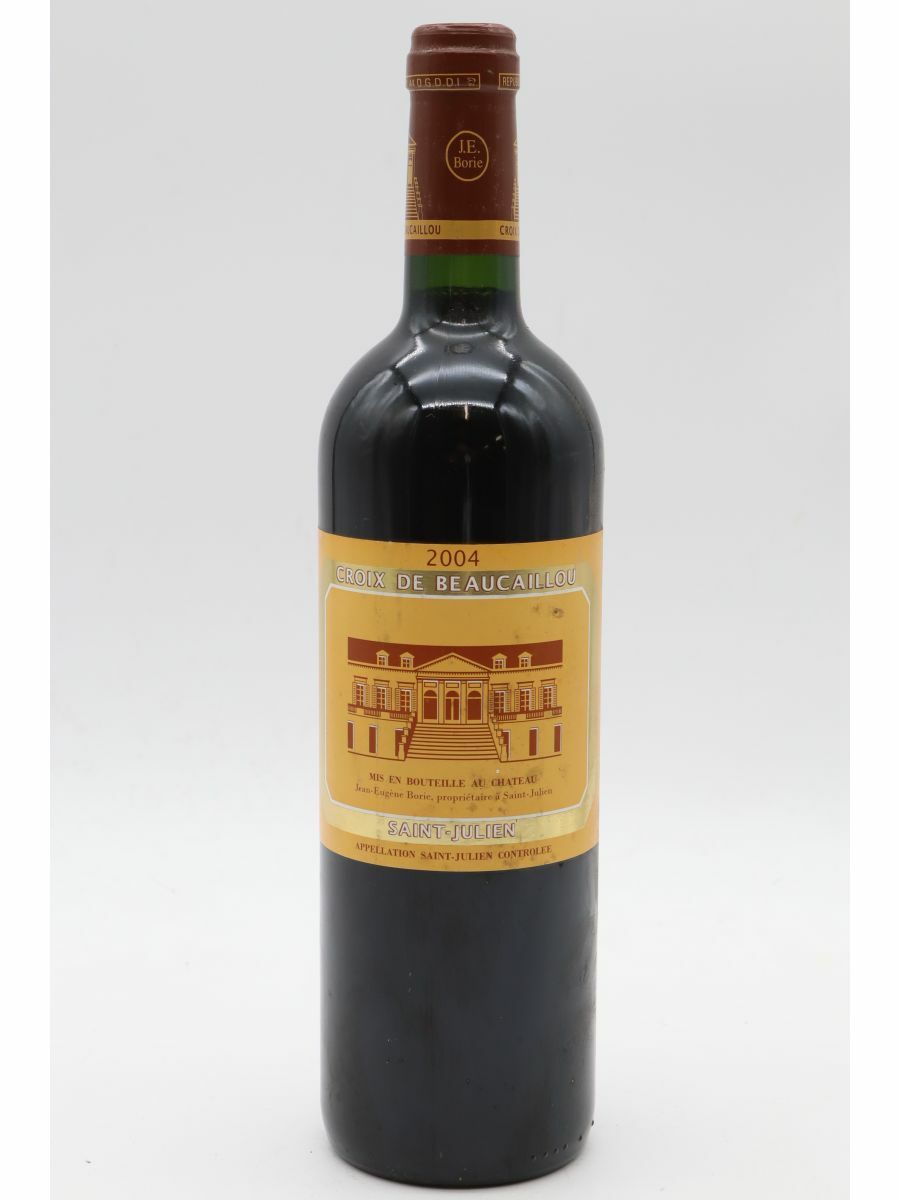
Chateau Ducru-beaucaillou, La Croix De Beaucaillou, 2004

🏰 La Croix de Beaucaillou is the second wine of the esteemed Château Ducru-Beaucaillou, a Grand Cru Classé from 1855. The 2004 vintage for Bordeaux was generally good, with a mild spring and warm, dry summer allowing for optimal grape ripening. This wine is crafted to be approachable earlier than the Grand Vin, yet still embodies the elegance, finesse, and aging capability characteristic of a great Saint-Julien. Tasting notes for the 2004 Ducru-Beaucaillou (the Grand Vin, which shares characteristics with its second wine) describe savory scents of sautéed herbs, charcuterie, and tapenade over notes of baked plums, boysenberries, and raspberry pie, with touches of cast iron pan and new leather. It is medium-bodied, firm, chewy, with a refreshingly energetic mid-palate and a persistent mineral finish. 【A classic Saint-Julien second wine offering elegance and finesse from a respected vintage.】
🍴 This Bordeaux red blend pairs wonderfully with classic meat dishes such as roasted beef, lamb chops, or duck confit. For an Eastern pairing, consider Cantonese roast goose or a savory Korean bulgogi.
🥂 An excellent choice for a sophisticated dinner party, a business lunch, or as a thoughtful gift for a Bordeaux lover. Its balanced profile makes it enjoyable now, but it also has the structure to age further.
BACKGROUND
Chateau Ducru-Beaucaillou is a property in the Saint-Julien appellation of the Medoc, rated a second growth in the 1855 Bordeaux Classification. The 75-hectare (185-acre) vineyard is situated in the southeast of the appellation, near the village of Beychevelle and bordering Branaire Ducru. It is near the river, which gives protection from frost and hail, and on the deepest gravel layers there is enhanced drainage, evening warmth, and a protective layer stopping the subsoil from drying out in heat waves. Alluvial deposits and a high clay content enrich the soil, and the vineyard takes its name from these "beautiful stones". It is planted 70 percent to Cabernet Sauvignon and 30 percent to Merlot.