FEATURES
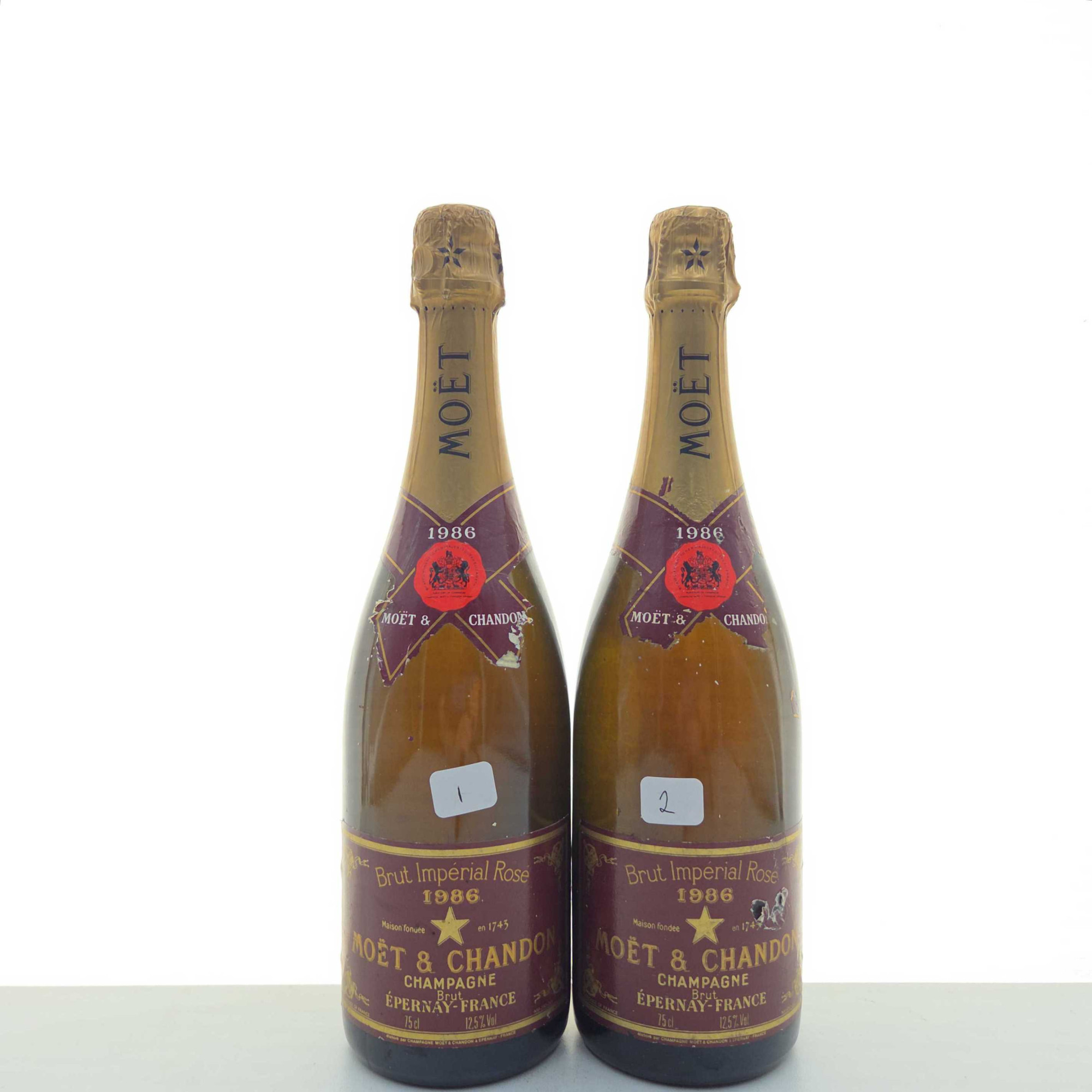
🏰 While specific vintage reports for Moët & Chandon Brut Impérial Rosé 1986 are scarce, this aged Champagne offers a rare glimpse into the evolution of an iconic rosé. Moët & Chandon's Rosé Impérial is known for its intense and irresistible aromas. With over three decades of age, expect the vibrant primary fruit notes of its youth to have gracefully mellowed, giving way to a more complex tapestry of tertiary aromas. These might include nuances of dried fruits, toasted nuts, subtle brioche, and perhaps delicate earthy or mushroomy undertones. The effervescence, while still present, will likely be finer and more integrated than in a younger bottling, contributing to a creamy texture. The color may have deepened to a beautiful amber or brick-orange hue, reflecting its distinguished age. 【A rare, aged expression of Moët & Chandon's iconic Rosé Impérial, offering a unique journey into mature Champagne.】
🍴 This mature rosé Champagne is remarkably versatile. It pairs beautifully with a range of foods, from seafood like oysters, crab, and langoustine, to sushi and lightly spiced Asian cuisine. It also complements roasted duck breast, grilled salmon, and foie gras. For a broader spectrum, consider bluefish, chocolate, cream pastries, various creams, poultry, roasted chicken, roasted fish, and white meat with gravy. Interestingly, dry Champagne can even pair well with french fries or fried chicken, while rosé's red fruit touch allows it to complement more complex dishes, including meats, seafood, and spicy fare.
🥂 This 1986 Brut Impérial Rosé is perfect for truly special celebrations, anniversaries, or intimate gatherings where its unique maturity can be appreciated. It's an ideal choice for an aperitif, a business dinner, a dinner with friends, a family reunion, or an engagement.
Serving Advice for Old Vintages: For a Champagne of this age, handle the bottle with utmost care, as the cork can be fragile. Avoid vigorous shaking. Decanting is generally not recommended for old Champagne, as it can dissipate the delicate effervescence and complex aromas. Instead, gently pour into tulip-shaped Champagne flutes or white wine glasses to allow it to open up slowly. Serve slightly cooler than red wine, ideally between 10-12°C (50-54°F), to best appreciate its evolved character.