FEATURES
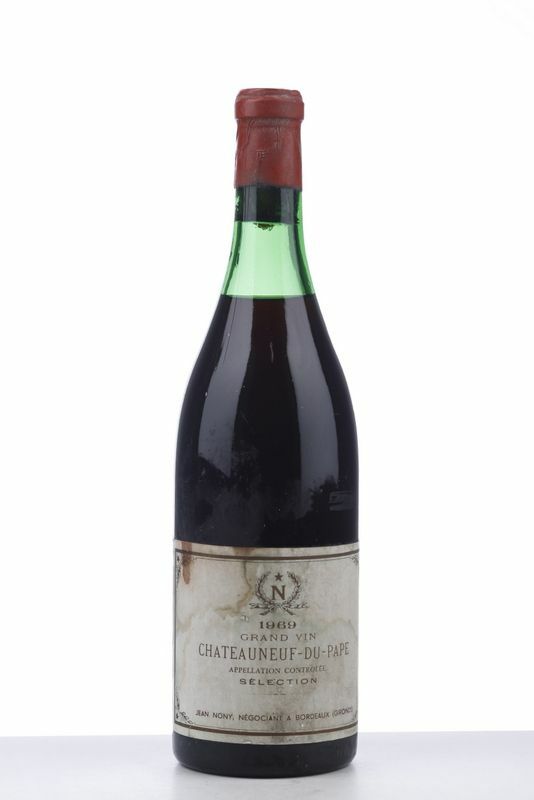
The 1969 vintage in the Rhône Valley, including Châteauneuf-du-Pape, was generally excellent, producing powerful and robust wines with superb ageing potential. Some bottlings from négociants showed very well, with Clos des Papes's 1969 being highlighted as a best vintage for one enthusiast. Wines from this vintage can still be alive and expressive, with strong tannic structure and subtle fresh layers. A 1969 Châteauneuf-du-Pape can exhibit a deep burgundy red colour with a light red/terracotta rim. Aromas can include Bovril, oxtail soup, cold cooked beef with Provençal herbs. On the palate, it can be soft, sweet yet with fresh acidity and a hint of tannin, full-bodied, and without a hint of oxidation even after many decades. Aged notes might include woody hints and dried fruits, along with a 'bouquet of ageing'. 【 A rare and remarkably long-lived Châteauneuf-du-Pape from an excellent vintage, showcasing profound complexity and robust structure even after decades. 】
Food pairing suggestions: Given its age and potential for savoury, earthy notes, it would pair well with roasted game, rich stews, truffle dishes, and aged hard cheeses. One tasting note mentioned it paired well with pork chops and lamb chops cooked on a charcoal BBQ.
Event suggestions: A very special occasion, a significant anniversary, or a contemplative tasting for serious collectors of aged Rhône wines.
Serving advice: This 1969 Châteauneuf-du-Pape is a rare and delicate treasure, having evolved over more than five decades. Expect a very complex, tertiary profile. Extreme care is needed when handling and opening; a reliable corkscrew designed for old wines, like a Durand, is highly recommended. Decant very carefully, just before serving, to remove any sediment and allow a brief aeration, but be cautious not to over-expose it to air, which could cause it to fade quickly. Serve at cellar temperature, around 16-18°C (60-64°F).
 Last One