FEATURES
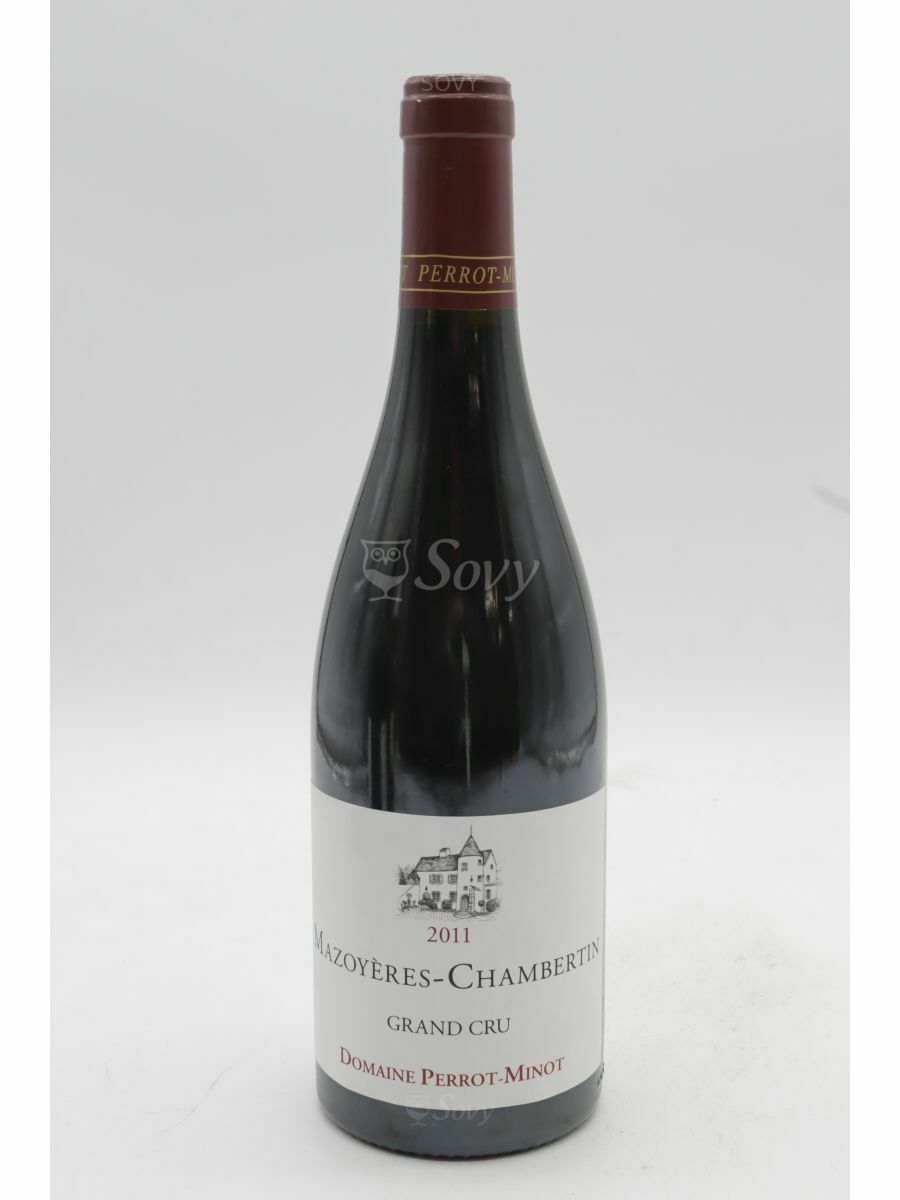
The 2011 vintage in Burgundy was exceptionally challenging, with an early budburst and flowering due to a warm spring, followed by a severe heatwave in late June that reduced yields. Despite these difficulties, Perrot-Minot's Mazoyères-Chambertin Grand Cru 2011 is a notable Pinot Noir from Burgundy. Christophe Perrot-Minot employs organic farming practices, minimizes conventional product use, and actively works to restore microbial life in the soils. Harvests are exclusively manual and meticulously sorted.
The 2011 Chambertin Grand Cru (which, like the Mazoyeres, includes 40% whole-cluster fruit) initially presents a more reticent bouquet, gradually revealing black and red-berry aromas. It is medium-bodied with good weight on the entry, showcasing structure and symmetry, and a persistent, balsamic-tinged finish. This wine is sleek and stylish, though it requires time to fully develop its personality. Other tasting notes mention subtle, delicate spicy and fruity elements (vanilla, cherry) with a slight mentholated nuance. Aromas of blue and red fruit, flowers, and stony minerality are also present. Vivino users describe earthy, leather, and mineral notes, alongside cherry, raspberry, red fruit, oak, tobacco, vanilla, black fruit, licorice, pepper, anise, and floral undertones. 【A sleek and stylish Grand Cru from a challenging vintage, showcasing meticulous winemaking and aging potential】.
For food pairings, this wine is recommended with duck, goose, and game birds. It also complements beef, veal, poultry, and game such as deer or venison.
This Grand Cru Burgundy, from a challenging yet ultimately rewarding vintage, is ideal for a sophisticated dinner party or a special occasion where a complex and evolving red wine is desired. It requires patience and will benefit from decanting. For a 2011 Burgundy, it's advisable to stand the bottle upright for a day or two before serving to allow any sediment to settle. Decanting for 1-2 hours can help the wine open up and express its complex aromas, especially given its initial reticence. Serve at cellar temperature, around 16-18°C (60-64°F).
 Last One