FEATURES
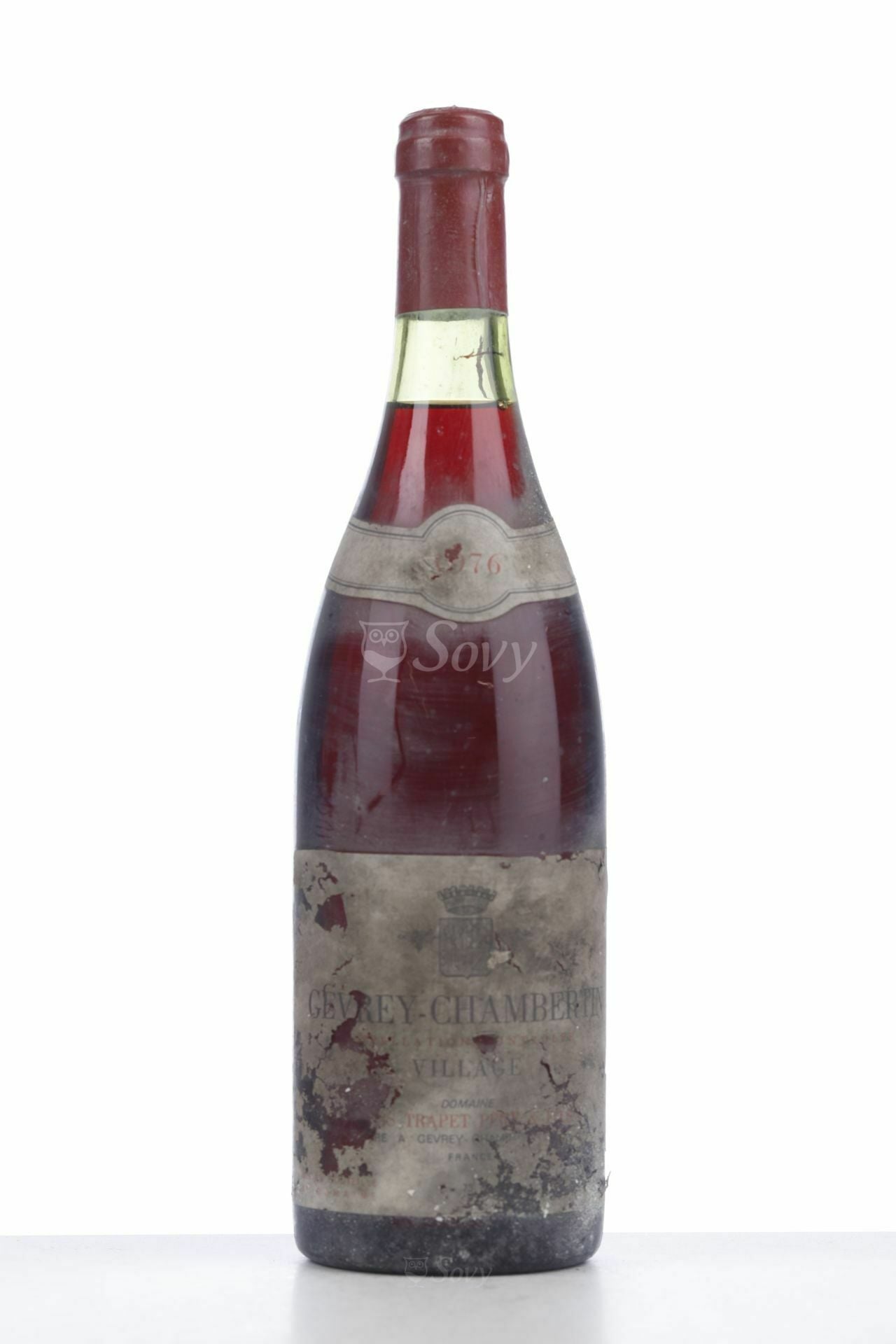
The 1976 vintage in Burgundy was generally considered a warm year, and for a Gevrey-Chambertin Village from Domaine Trapet Père et Fils, this means a wine that, while showing its age, can still offer a fascinating glimpse into the past. Older vintages like this 1976 often present with a lighter color, possibly with browning at the edges, and can exhibit vegetal aromatics alongside baked fruit notes and a strong soil finish. Some tasters have noted a certain ripeness and concentration, reflecting the heat of the vintage, with rugged tannins and a slightly drying finish. Despite the historical challenges of the 1976 vintage, Domaine Trapet, a seventh-generation Gevrey-Chambertin estate known for its pure, complex, and elegant Pinot Noir wines, managed to produce a wine that, even decades later, can still be enjoyable, albeit with a significant earthy foundation and potentially some volatile acidity.
【 A rare glimpse into a historically warm vintage from a pioneering biodynamic estate 】
🍴 Food Pairing: For a mature red Burgundy like this, consider classic pairings that respect its age and delicate nature. Think of roasted poultry like duck or guinea fowl with earthy mushroom sauces, or a simple pan-seared filet mignon. For a more traditional approach, coq au vin or a delicate beef bourguignon would be excellent. On the Eastern side, consider dishes with subtle umami and less aggressive spices, such as steamed chicken with ginger and scallions, or a light mushroom hotpot.
🥂 Event Fit: This is a wine for a contemplative evening, perhaps a special anniversary for those who appreciate aged wines, or a focused tasting among serious collectors. It's not a party wine, but rather one for intimate gatherings where its history and evolution can be discussed and savored. Given its age, it's a perfect fit for a 'birth year' celebration or a vertical tasting of Domaine Trapet wines. This wine is a testament to the longevity of well-made Burgundy, even from challenging vintages.
Serving Advice: When approaching a wine of this venerable age, extreme care is paramount. The cork and capsule may be fragile, so a Durand opener or an Ah-So cork puller is highly recommended to prevent breakage. Stand the bottle upright for several days, or even a week, before serving to allow any sediment to settle. Decanting is a nuanced decision for such old wines; while it can help separate sediment, excessive aeration might cause the wine to fade quickly. A slow, careful pour directly into glasses, or a very brief decant (15-30 minutes) into a clean decanter, might be preferable. Serve slightly below room temperature, around 16-18°C (60-64°F), to allow its delicate aromas to unfold without being overwhelmed by warmth. Be prepared for a wine that may show significant tertiary notes and a more ethereal structure than younger wines.