FEATURES
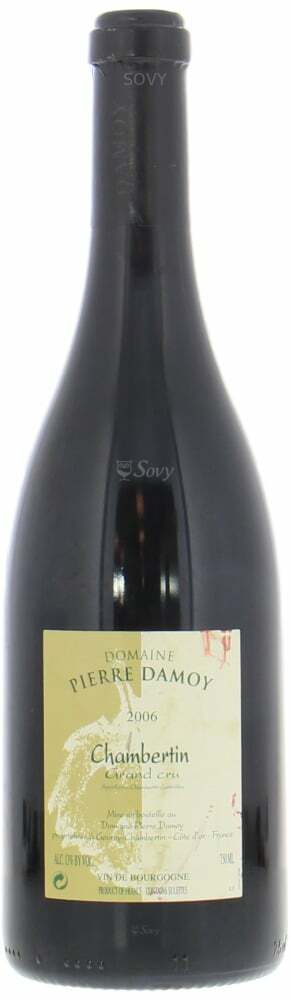
The 2006 Pierre Damoy Chambertin Grand Cru hails from a vintage that, while considered 'so-so' for Burgundy overall, still yielded good wines, particularly from esteemed appellations like Chambertin. This Grand Cru is a testament to the power and longevity of Pinot Noir from this highly regarded region. The year saw an icy winter and a cool, damp spring, which delayed budburst and flowering, contributing to the wine's structured character. Pierre Damoy is a respected producer in Gevrey-Chambertin, and this particular bottling is often regarded as a collectible item.
This wine displays a good deep red colour. The nose offers complex aromas of sweet blackberry, black currant, loganberry, and mineral notes, alongside black raspberry, mocha, Asian spices, cola, game, red and blue fruits, floral hints, coffee, plum, and spice. On the palate, it is intense and full-bodied, supported by dense, ripe tannins and vibrant acidity. Flavours include dark berry fruit, an 'animale' quality, coffee, mocha, dark plum, mulberry, currant, and chalky undertones. It is described as structured, powerful, concentrated, and a wine that demands patience. Some notes highlight a 'sauvage' character, firm-edged tannins, and a long, mineral-infused finish.
🍴 Food pairing suggestions: This classic Burgundy pairs exquisitely with traditional dishes such as duck, goose, and various game birds.
🥂 Event suggestions: 【A collectible Chambertin Grand Cru from a challenging vintage, demonstrating impressive structure and requiring significant aging potential.】This is a serious, structured wine ideal for special occasions, particularly for collectors of aged Burgundy. It is a contemplative wine that is ready to drink now but will continue to evolve.
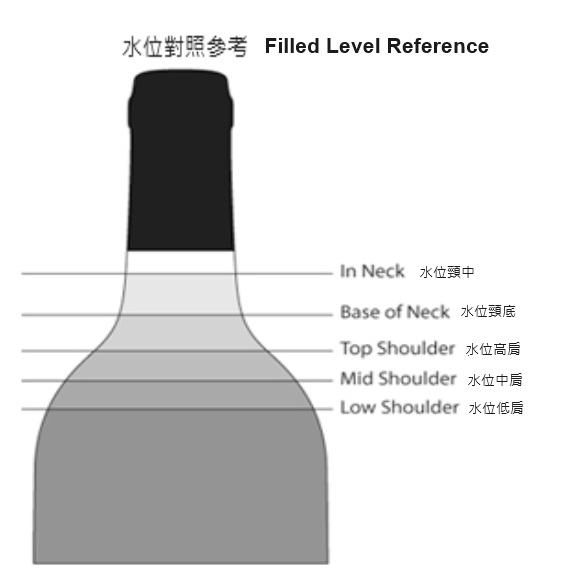
Serving advice for this older vintage: For a 2006 Burgundy Grand Cru, expect a wine that has developed complex tertiary aromas and flavours. The cork may be fragile due to age, so consider using a Durand opener or an Ah-So to minimise the risk of breakage. Decanting is generally recommended for older wines to separate any sediment that may have formed and to allow the wine to breathe, but proceed gently as very old wines can be delicate and excessive aeration might diminish their subtle nuances. Serve at a cellar temperature of approximately 16-18°C (60-64°F) to best appreciate its evolved character.
 Last One