Welcome!Thank you for visiting! We look forward to seeing you.Welcome!Email is used by othersPlease enter user emailpassword reset link is sent to your email , the link will be expired in 30 mins
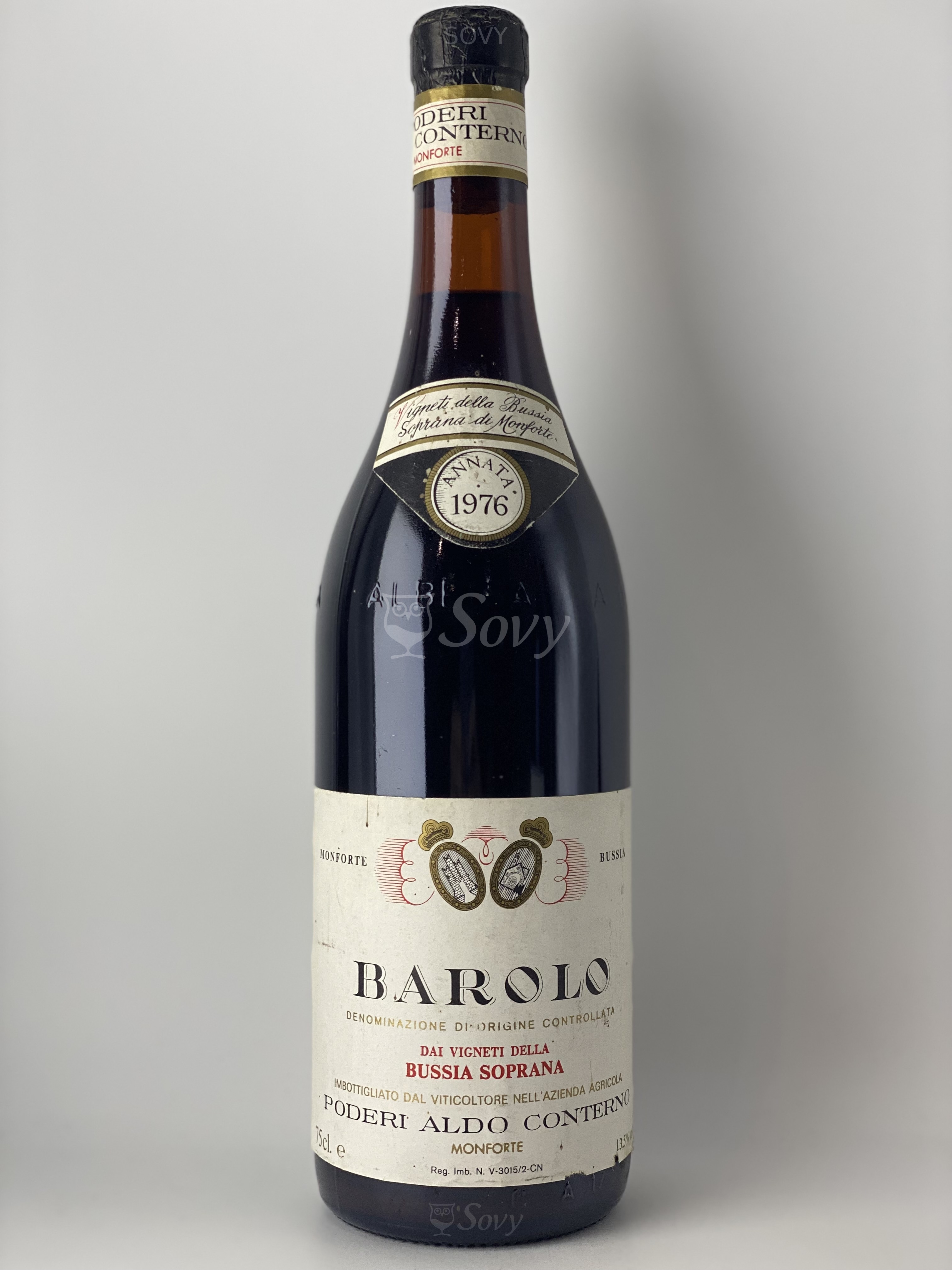
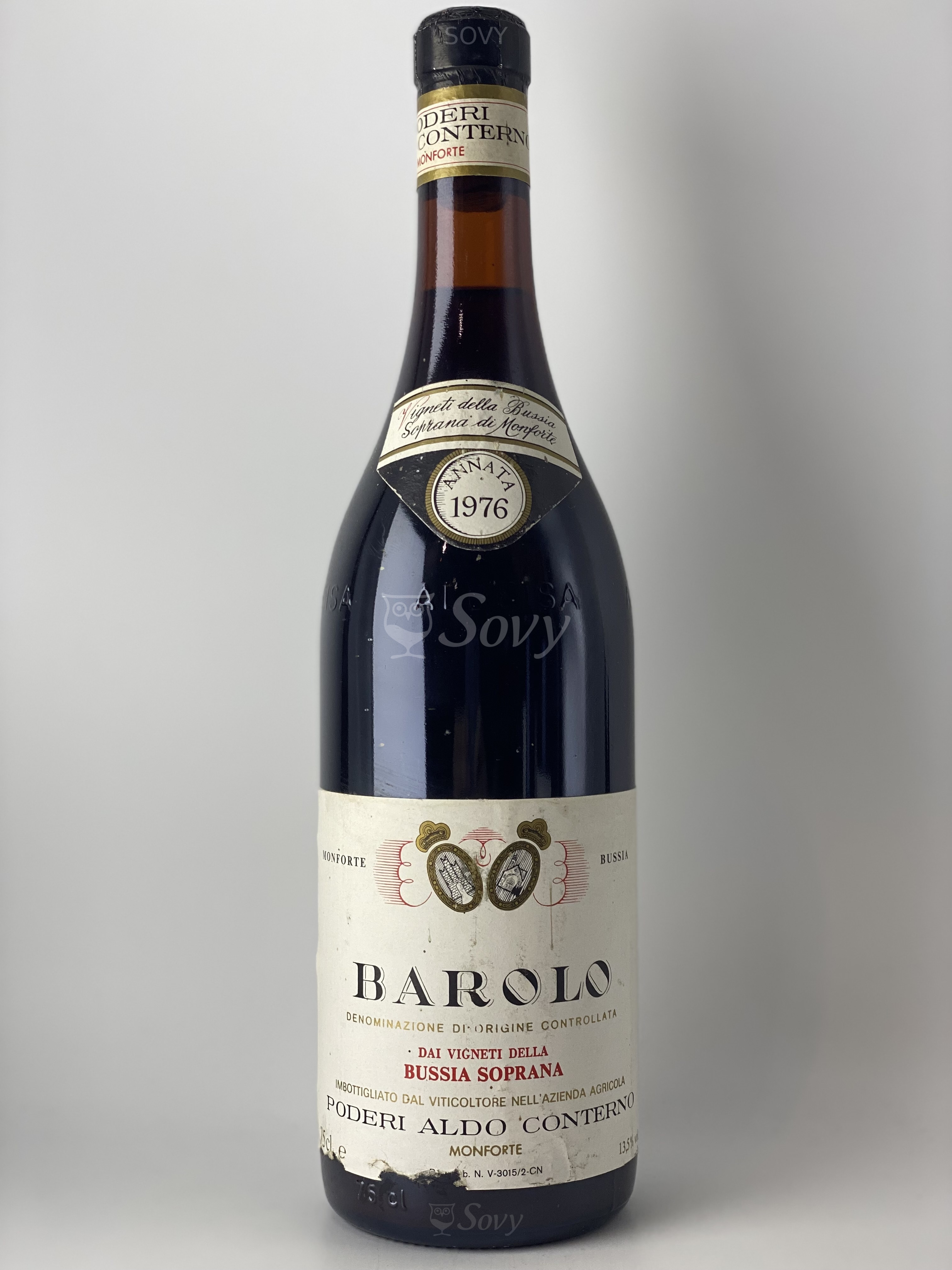
The 1976 Aldo Conterno Barolo Bussia Soprana hails from a vintage that, while not as universally lauded as some, can still produce remarkable wines from top producers like Aldo Conterno, known for their exceptional longevity and depth. Aldo Conterno himself was considered one of the greatest Barolo winemakers of the twentieth century, building his reputation on wines from the Bussia crus. The Bussia Soprana is characterized by its great freshness, which lingers, making it suitable for a long maturing period.
【來自Barolo傳奇釀酒師的長壽佳釀。】
For a wine of this venerable age, expect a deeply evolved and complex aromatic profile. While specific tasting notes for the 1976 are elusive, Barolos from this era, especially from Aldo Conterno, often develop haunting bouquets of dried rose, tar, leather, tobacco, and truffle, with balsamic notes indicative of decades of bottle development. The tannins would have softened to a silky, ethereal presence, leading to an extraordinarily complex and deep finish. Given its age, the cork will be extremely fragile; use a Durand or Ah-So opener. Decanting is crucial to separate any sediment and allow the wine to gently awaken, but be mindful of its fragility – a short decant (30-60 minutes) might be preferable to a long one, or simply pour carefully from the bottle. Serve at cellar temperature, around 16-18°C (60-64°F).
🍴 This Barolo would be a sublime pairing for traditional Piedmontese dishes. Think rich truffle-based pasta, slow-cooked beef cheek (Brasato al Barolo), or aged hard cheeses. For an Eastern pairing, consider a delicate Peking duck or a refined Cantonese braised abalone.
🥂 This is a wine for profound contemplation and celebration of history. It's perfect for a very special anniversary, a significant milestone, or a gathering of serious wine connoisseurs who appreciate the beauty of aged Nebbiolo.